Uncategorised
Early Marion County Settlers
David & Amos Griffith
Arriving in 1794 at Griffith Creek, David and Amos Griffith were among the earliest European-American settlers in the Sequatchie Valley. They were active members of the Sevier militia and played a critical role in establishing early homesteads along the creek. Their family cultivated the fertile valley land and maintained connections with neighboring settlers, helping to lay the foundations of the local community. The Griffiths were known for their resilience and contributions to frontier life during the turbulent years following Tennessee's settlement.
Condra
Settling along the Marion/Sequatchie Line in 1806, the Condra family were pioneering borderland settlers navigating the challenges of frontier life. Their homestead was strategically positioned to facilitate trade and maintain communication with nearby settlements. They helped defend the region against occasional threats and contributed to the establishment of early infrastructure in the Sequatchie Valley. Condra's descendants played a role in shaping the emerging communities in Marion County and surrounding areas.
James Raulston
James Raulston arrived in Doran Cove in 1807, bringing with him ties to the Bean family, an influential lineage in the region. He developed a homestead in the cove, contributing to early agriculture and settlement networks. Raulston's position in the community included serving as a liaison between neighboring families, facilitating trade, and sharing knowledge of the local terrain. His family remained influential in the area, with descendants continuing his agricultural and civic contributions.
Robert Bean
Settling in Sweedens Cove in 1808, Robert Bean was a descendant of the Watauga pioneers and carried forward the traditions of early frontier settlers. He cultivated land and managed livestock, ensuring the survival and growth of the local population. Bean’s presence anchored the community, and his leadership helped organize early civic and religious gatherings. His family lineage maintained significant influence in the Sequatchie Valley for generations.
David Rankin
David Rankin arrived in Rankins Cove in 1808, a Scotch-Irish homesteader bringing cultural traditions and farming practices from the Appalachian regions. He helped establish local roads and assisted new settlers, providing guidance on the rugged terrain. Rankin’s farm became a center for community activity, offering a meeting point for trading and social events. His contributions fostered cohesion among early frontier families.
James Doran
Arriving in Doran Cove in 1811, James Doran was likely connected to the Raulston family through marriage or kinship. Doran established a productive homestead and participated in early civic efforts, including militia service and community decision-making. He helped shape the agricultural layout of the cove and supported neighboring families during the formative years of settlement. His descendants continued to play key roles in local society.
David Tate
David Tate settled in Fiery Gizzard in 1816, renowned for his resilience on the rugged frontier. He cleared dense forests for farmland and established one of the earliest permanent homesteads in the area. Tate also participated in local militia activities and contributed to the defense and development of the valley. His efforts helped secure the safety and growth of the early pioneer community.
John Bible
John Bible arrived in Gains Cove in 1820 and became an influential early religious figure. He organized gatherings for worship and moral instruction, laying the foundation for community cohesion. Bible also assisted settlers in establishing farms and navigating the challenging terrain. His leadership in spiritual and civic matters left a lasting imprint on Gains Cove and surrounding areas.
Washington Ladd
Washington Ladd, settling in Ladd Cove in 1820, became the namesake of the cove due to his prominence in the area. He cultivated fertile lands, developed trade connections along nearby waterways, and assisted in community organization. Ladd's homestead served as a hub for settlers, supporting agricultural and social endeavors. His descendants continued to influence local governance and settlement patterns.
Mathew Pryor
Mathew Pryor arrived in Pryor Cove in 1820, establishing a prominent family homestead. He helped organize early farms and contributed to the establishment of roads and communication paths. Pryor’s leadership strengthened community networks and assisted incoming settlers in adapting to frontier life. His family maintained a lasting presence in the Sequatchie Valley.
Josiah Thach
Josiah Thach settled along the Tennessee River in 1826, taking advantage of the river for transport and trade. He was a resourceful settler, managing farmland, hunting grounds, and river commerce. Thach’s presence connected inland cove settlements to wider regional markets. He contributed to the economic and social development of early Tennessee river communities.
Robert Patton
Robert Patton arrived at Sweedens Creek in 1828, likely related to the Bean family through collateral lines. He cultivated land and managed livestock, enhancing the agricultural output of the region. Patton also assisted in local governance and participated in community defense. His descendants remained prominent in Sequatchie Valley society for decades.
Samuel Raulston
Samuel Raulston settled in Raulston Cove in 1835, continuing the legacy of James Raulston. He developed farmland and maintained strong kinship ties with neighboring families. Samuel contributed to community cohesion, religious gatherings, and militia service. His life represents the continuity of early settler influence in Sequatchie Valley.
McDaniel
McDaniel arrived near Shallmound in 1838, participating in river-based commerce and frontier agriculture. His settlement leveraged proximity to waterways for trade and transportation of goods. McDaniel helped organize local infrastructure and supported the growth of nearby communities. His family became integral to maintaining economic and social stability in the area.
John Russell
John Russell settled near Whitwell around 1814, contributing to the early development of the Sequatchie Valley frontier. Connected to the Bean and Sevier families, he established a homestead in the fertile land surrounding Whitwell. Russell was actively involved in local agriculture, road-building, and community defense, and his descendants remained prominent in the region. His life exemplifies the challenges and achievements of early Tennessee settlers.
Admiral Edward Russell
A Legacy Anchored in Two Worlds
🏰 English Lineage: Russells of Bedford
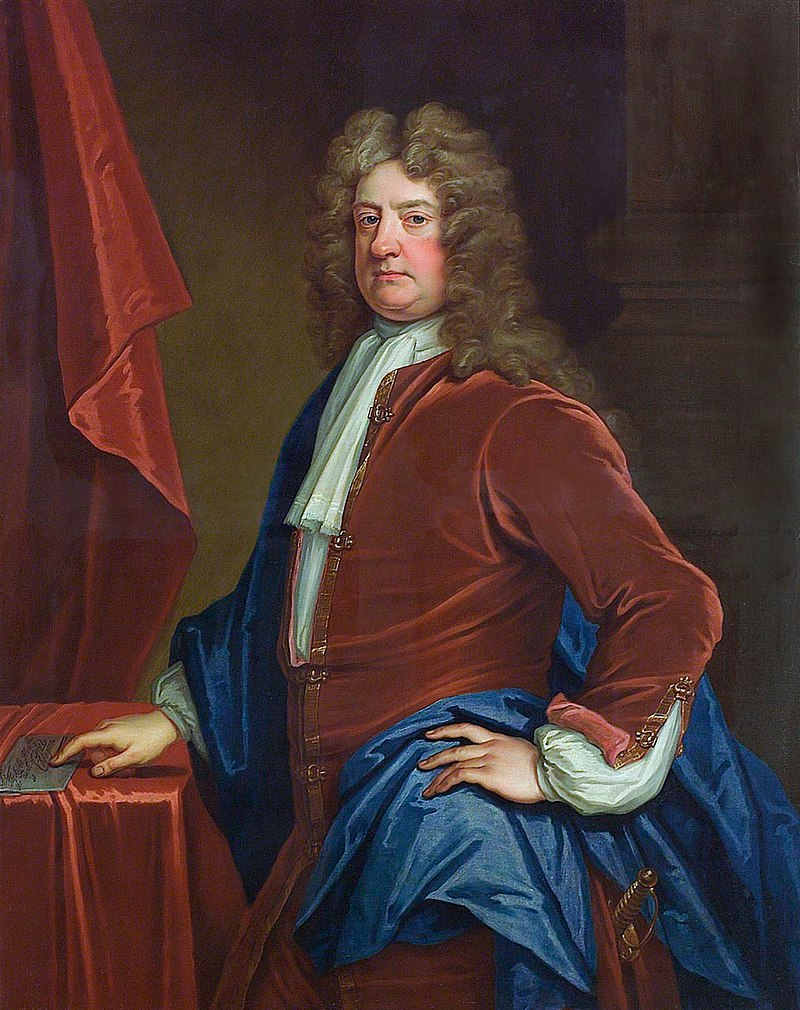
Edward Russell was born in 1653 to Hon. Edward Russell, son of the 4th Earl of Bedford. The Russells of Woburn Abbey were a Whig dynasty, deeply involved in English politics and reform. His cousin, William Russell, Lord Russell, was executed for opposing royal absolutism—an event that shaped Edward’s loyalty to William of Orange.
🌿 Ulster Connection: Hills of County Down
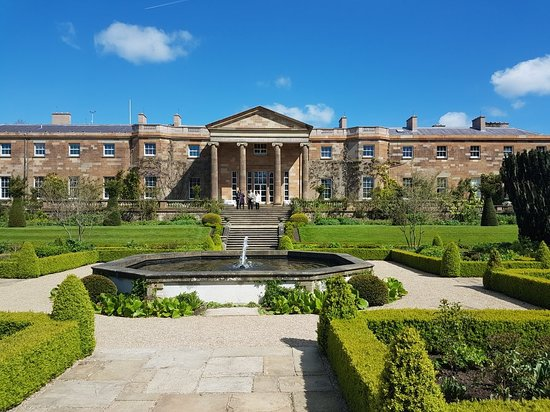
Edward’s mother, Penelope Hill, was daughter of Sir Moyses Hill, a key figure in the Ulster Plantation. The Hill family founded Hillsborough and held vast lands in County Down, embedding Edward in the Anglo-Irish elite.
🛡️ Gaelic Thread: Sorley Boy MacDonnell
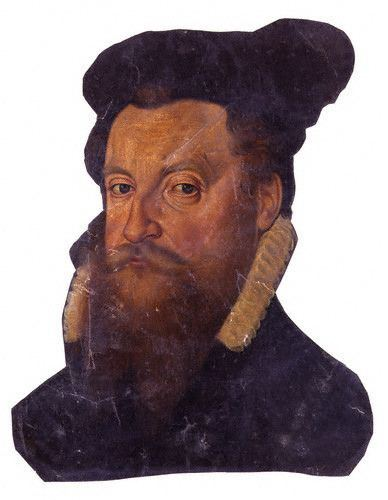
Through Hill–MacDonnell intermarriages, Edward Russell was a distant descendant of Sorley Boy MacDonnell, the Gaelic lord of Antrim who resisted English and Irish rivals in the 16th century. This connection blended English reformist blood with Gaelic resilience. Sorley's son Randal was the 1st Earl of Antrim, and his descendant (Randal) lived at Beverley Manor in Augusta, Virginia.
⚓ Naval Legacy
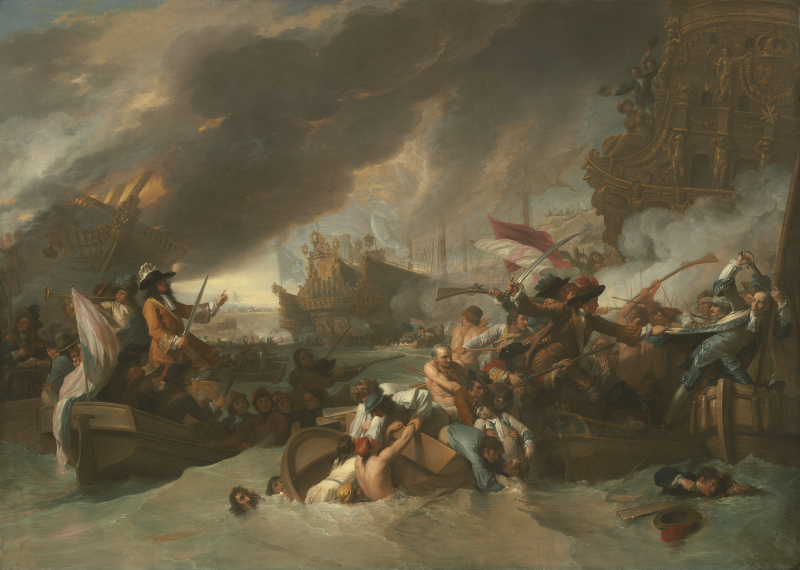
Edward Russell commanded the Anglo-Dutch fleet at Barfleur and La Hogue, served as First Lord of the Admiralty, and helped shape England’s naval supremacy during the Glorious Revolution. Though he died childless in 1727, his legacy lives on in naval history and Anglo-Gaelic heritage.
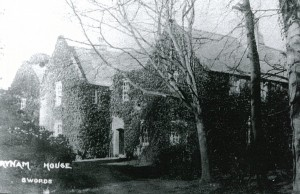
Russells in Ireland
From Seatown to Drynam
The Russell family's presence in Ireland is documented from the 1200s. Though they never held vast estates, they established modest holdings, notably in Seatown, near Malahide in north County Dublin.
🏡Seatown & Drynam House
Seatown Castle was a small fortified structure, likely built to qualify for a £10 government grant in the late 15th century. It sat near the water’s edge, suggesting involvement in cross-channel trade, though records are sparse.
By 1627, the Russells had acquired enough wealth to build Drynam House, a Jacobean-style manor that became their primary residence.
✝️Faith and Rebellion
As Catholic Old English, the Russells remained loyal to their faith even as Protestantism became dominant.
During the 1641 Rebellion, they supported the northern Catholic rebels. This led to their attainder—a legal declaration of treason—and the loss of their lands.
They regained Seatown during the Restoration, and Robert Russell of Drynam served in King James II’s Parliament in 1689, representing the Borough of Swords.
⚔️Williamite Confiscation
Their loyalty to King James II during the Williamite Wars (1689–91) resulted in another forfeiture. Seatown was seized and granted to the Dublin Archbishopric, though the family retained Drynam House and 421 acres.
💍Russell–Cruise Alliance
In 1766, Bridget Russell, sole heir of Robert Russell of Drynam, married Andrew Cruise. Their descendants adopted the double surname Russell Cruise, blending two prominent Catholic families.
Patrick Russell Cruise, born circa 1799, was a notable descendant. The estate remained in family hands until it was sold in the 1920s.
🧬Cultural Legacy
The Russell name in Ireland is associated with Catholic resistance, Anglo-Norman heritage, and modest landed gentry.
Variants of the name include Roussel, Russel, Rowsell, Rozzell, and others.
Though not part of the aristocratic Russell line of Bedford, the Irish Russells maintained a proud identity rooted in faith, trade, and local governance.
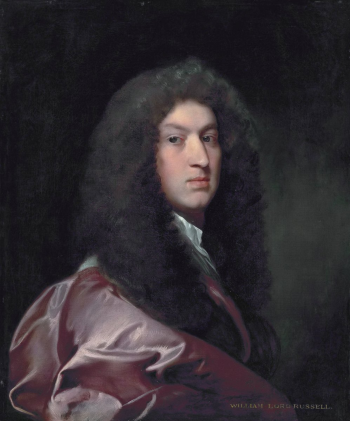
William Russell 1639-1683
William Russell
Defender of Liberty • Victim of Tyranny • Legacy Eternal
Early Life
Born in 1639 to the powerful Russell family, William was raised in a climate of political tension and religious reform. Educated at Cambridge and seasoned by travel, he developed a deep commitment to Protestant values and constitutional governance.
Political Rise
As MP for Tavistock, Russell became a leading voice in the Country Party, opposing royal absolutism and the Catholic succession of James, Duke of York. His eloquence and conviction made him a symbol of Whig resistance.
The Rye House Plot
In 1683, Russell was implicated in the Rye House Plot—a failed plan to ambush Charles II and James. Though evidence was circumstantial, he was tried for treason in a politically charged court and sentenced to death.
Execution and Legacy
On July 21, 1683, Russell was beheaded at Lincoln’s Inn Fields. His wife Rachel preserved his letters and memory, and his death became a rallying cry for liberty. His son Wriothesley became the 2nd Duke of Bedford, continuing the family’s legacy.
1639: Birth of William Russell
1679: Leads opposition to Duke of York’s succession
1683: Arrested for alleged role in Rye House Plot
July 21, 1683: Executed by beheading
Posthumous: Celebrated as a Whig martyr
“I die a Christian according to the profession in which I have lived; a Protestant according to the Church of England.”
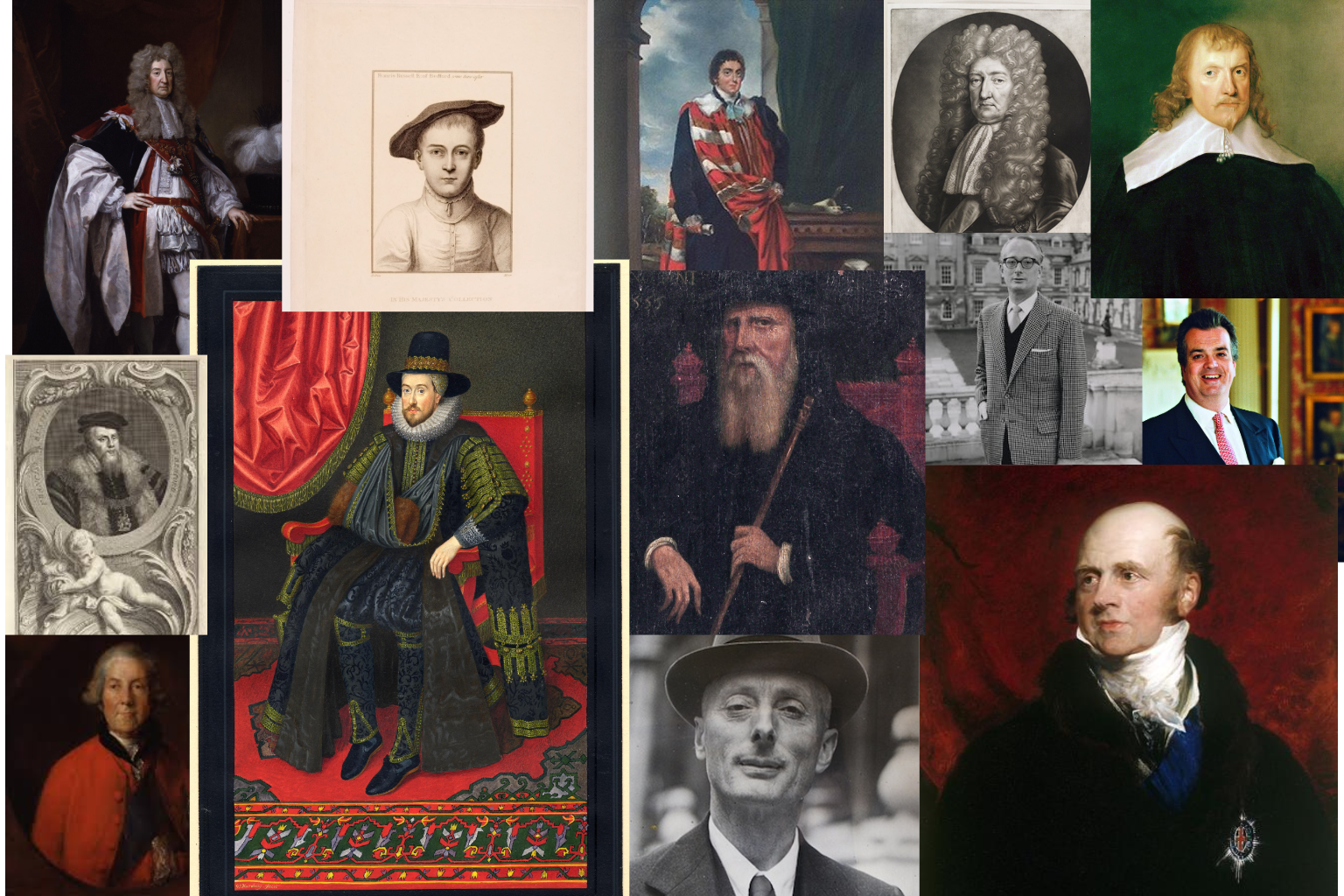
Russell Family Titles: Earls and Dukes of Bedford
Earls of Bedford (Russell Family)
- 1st Earl: John Russell (c. 1485–1555)
- 2nd Earl: Francis Russell (1527–1585)
- 3rd Earl: Edward Russell (1572–1627)
- 4th Earl: Francis Russell (1593–1641)
- 5th Earl: William Russell (1616–1700)
Dukes of Bedford (Russell Family)
- 1st Duke: William Russell (1616–1700), elevated in 1694
- 2nd Duke: Wriothesley Russell (1680–1711)
- 3rd Duke: Wriothesley Russell (1708–1732)
- 4th Duke: John Russell (1710–1771)
- 5th Duke: Francis Russell (1765–1802)
- 6th Duke: John Russell (1766–1839)
- 7th Duke: Francis Russell (1788–1861)
- 8th Duke: William Russell (1809–1872)
- 9th Duke: Francis Charles Hastings Russell (1819–1891)
- 10th Duke: George William Francis Sackville Russell (1852–1893)
- 11th Duke: Herbrand Arthur Russell (1858–1940)
- 12th Duke: Hastings William Sackville Russell (1888–1953)
- 13th Duke: John Ian Robert Russell (1917–2002)
- 14th Duke: Henry Robin Ian Russell (1940–2003)
- 15th Duke: Andrew Ian Henry Russell (b. 1962)
Legacy and Lineage
The Russell family has held the title of Duke of Bedford since 1694, with roots tracing back to the Tudor period. Their contributions to English politics, land reform, and civic life have shaped centuries of history. The family seat remains at Woburn Abbey, Bedfordshire, and their legacy continues through the Marquess of Tavistock, heir apparent to the current Duke.