George Russell: Tennessee’s Frontier Patriot
Explore the life of a Revolutionary War captain, Watauga pioneer, and founding figure of Jonesborough—whose legacy shaped early Tennessee alongside William Bean.
Biographical Timeline
- 1720 – Born in Virginia to William “the Ranger” Russell
- 1747 – Married Elizabeth Bean, sister of William Bean’s wife Lydia Russell
- 1772 – Commissioner for the Watauga Association
- 1776 – Justice of the Peace, Washington County
- 1780 – Fought at King’s Mountain with Sevier and Bean
- 1782–1787 – Received multiple land grants in Tennessee
- 1796 – Killed near German Creek while hunting with Daniel Boone
The Russell–Bean Alliance in Early Tennessee
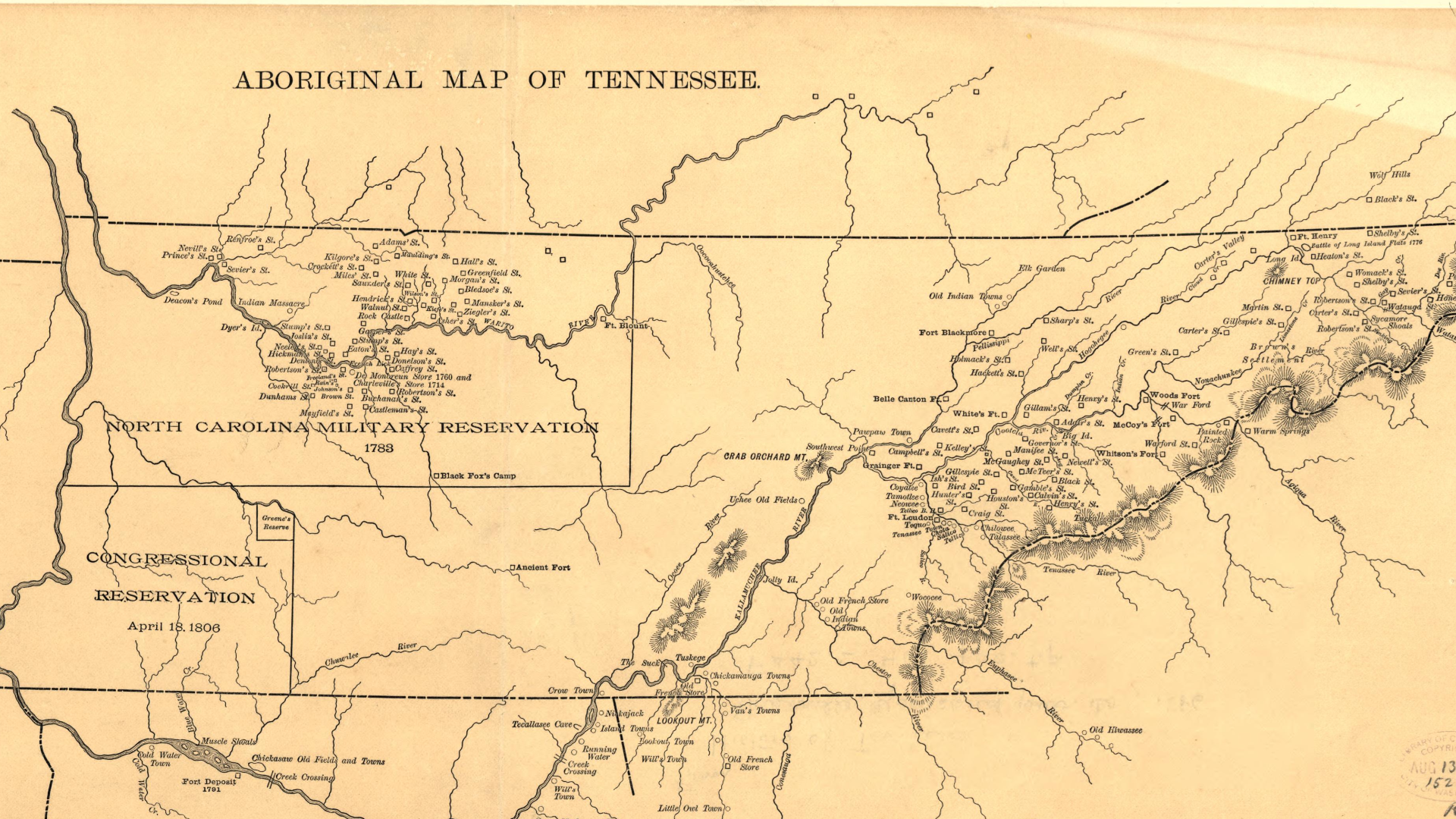
The entwined lives of George Russell and William Bean represent more than familial bonds—they embody a foundational alliance in the birth of Tennessee’s frontier society. George Russell, a seasoned frontiersman and Revolutionary War veteran, married Elizabeth Bean, sister of William Bean, widely recognized as Tennessee’s first permanent settler. In a reciprocal gesture of kinship, William Bean married Lydia Russell, George’s sister, forging a dual union between two pioneering families. This intermarriage was not merely domestic—it was strategic, symbolic, and civic. Together, the Russells and Beans were instrumental in the creation of the Watauga Settlement, one of the earliest autonomous frontier governments in the American South. Their efforts extended to the founding of Jonesborough in 1779, Tennessee’s oldest town, where they helped lay the civic and legal foundations of the region. Their alliance was further solidified in military service. Both men fought under John Sevier at the Battle of Kings Mountain in 1780, a turning point in the Southern campaign of the Revolutionary War. That same year, George Russell and William Bean were appointed as estate appraisers, a role reserved for men of integrity and standing, underscoring their shared civic trust. The legacy of this alliance endured through generations. Their children intermarried, creating a dynastic frontier network that shaped landholding, governance, and cultural continuity across the Appalachian frontier. The Russell–Bean connection stands as a testament to how kinship, courage, and collaboration forged the social architecture of early Tennessee.