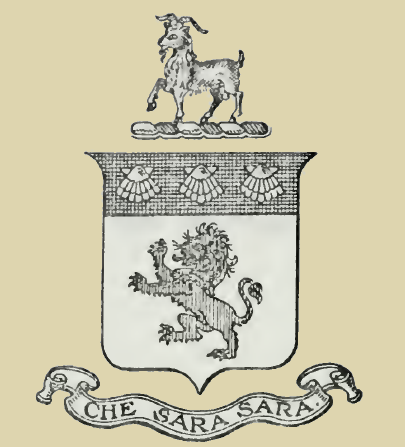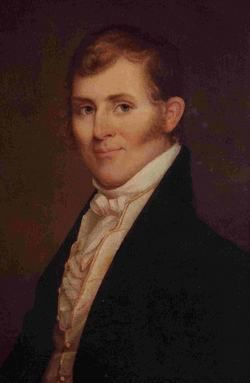
Brigadier General William Russell (1735–1793)
Patriot • Pioneer • Namesake of Russell County
Early Life and Lineage
William Russell was born in 1735 in Orange County, Virginia, into a family deeply associated in the expansion of Virginia’s frontier. His grandfather, Colonel William Russell (1690–1757), was among the early settlers and landholders of the region, establishing a tradition of leadership and military service that the younger Russell would inherit. Raised amid the shifting borders of colonial Virginia, William absorbed the values of land stewardship and public duty that marked his family’s role in settlement and defense of the western counties. His upbringing prepared him for both the opportunities and perils of life along the colonial frontier.
Military Service and Revolutionary Valor
Russell’s military career began during Dunmore’s War in 1774, when he commanded Virginia troops at the Battle of Point Pleasant, a pivotal clash between colonial militia and Shawnee forces that secured Virginia’s claims in the Ohio Valley. With the outbreak of the Revolutionary War, Russell was commissioned as colonel of the 5th Virginia Regiment, leading men in some of the most difficult campaigns of the southern theater. Also serving in the unit was Andrew Russell, his first cousin, as a Captain. Captured with his regiment at the fall of Charleston in 1780, he endured imprisonment before being exchanged and returning to service. At Yorktown in 1781, Russell was present for the surrender of Cornwallis, and for his dedication he was later brevetted Brigadier General, a distinction that recognized his sacrifices and contributions to independence.
Frontier Leadership and Kentucky Settlement
Beyond his Revolutionary service, Russell played a pioneering role in the westward movement. In 1773 he led one of the earliest organized expeditions into Kentucky, joining the wave of settlers seeking fertile lands across the Appalachian barrier. That journey ended in tragedy when his son, Henry Russell, was killed in a Native ambush, the same attack that claimed the life of James Boone, son of the famed frontiersman Daniel Boone. Despite personal loss, Russell remained engaged in frontier policy, advocating settlement while navigating the volatile realities of Native resistance and Virginia’s territorial ambitions. His persistence reflects the complex interplay of family grief, land hunger, and political vision that defined frontier leadership in the revolutionary era.
Political Influence and Civic Duty
After the Revolution, Russell continued his service to Virginia as a delegate in the General Assembly, where he represented the interests of frontier counties. In this role he opposed the controversial petition for the formation of the State of Franklin, a proposed independent state carved out of western North Carolina and Virginia territory. His opposition reflected both loyalty to Virginia and an awareness of the destabilizing effects of premature secession on frontier governance. In 1783, Russell’s Revolutionary achievements were further honored when he became an original member of the Society of the Cincinnati, an elite fraternal order of Continental officers who pledged to preserve the ideals of the Revolution and maintain bonds of military brotherhood.
Connection to Colonel William Campbell
Russell’s personal alliances strengthened his political stature. After the death of his first wife, Tabitha Adams, he married Elizabeth Henry, sister of the patriot orator Patrick Henry. Elizabeth was the widow of Colonel William Campbell, celebrated commander at the Battle of Kings Mountain in 1780. Through this marriage, Russell became linked to two of the most prominent families of Virginia’s revolutionary leadership: the fiery statesmanship of the Henrys and the military heroism of the Campbells. This union not only enhanced his standing but also underscored the interconnected web of kinship that bound Virginia’s revolutionary elite.
Legacy and Namesake
The enduring impact of William Russell’s service is enshrined in the naming of Russell County, Virginia, in 1786, honoring his contributions as soldier, legislator, and pioneer. His descendants carried forward his legacy of civic and military service, particularly in Kentucky and Tennessee, where the family remained influential in frontier politics. Russell’s life embodies the resilience required to forge communities on the edge of empire, the courage demanded by revolutionary struggle, and the nobility of a heritage rooted in both sacrifice and leadership. His story remains a window into the turbulent but formative years of the early American republic.