Before the Name: The Glory of the Russell Lineage
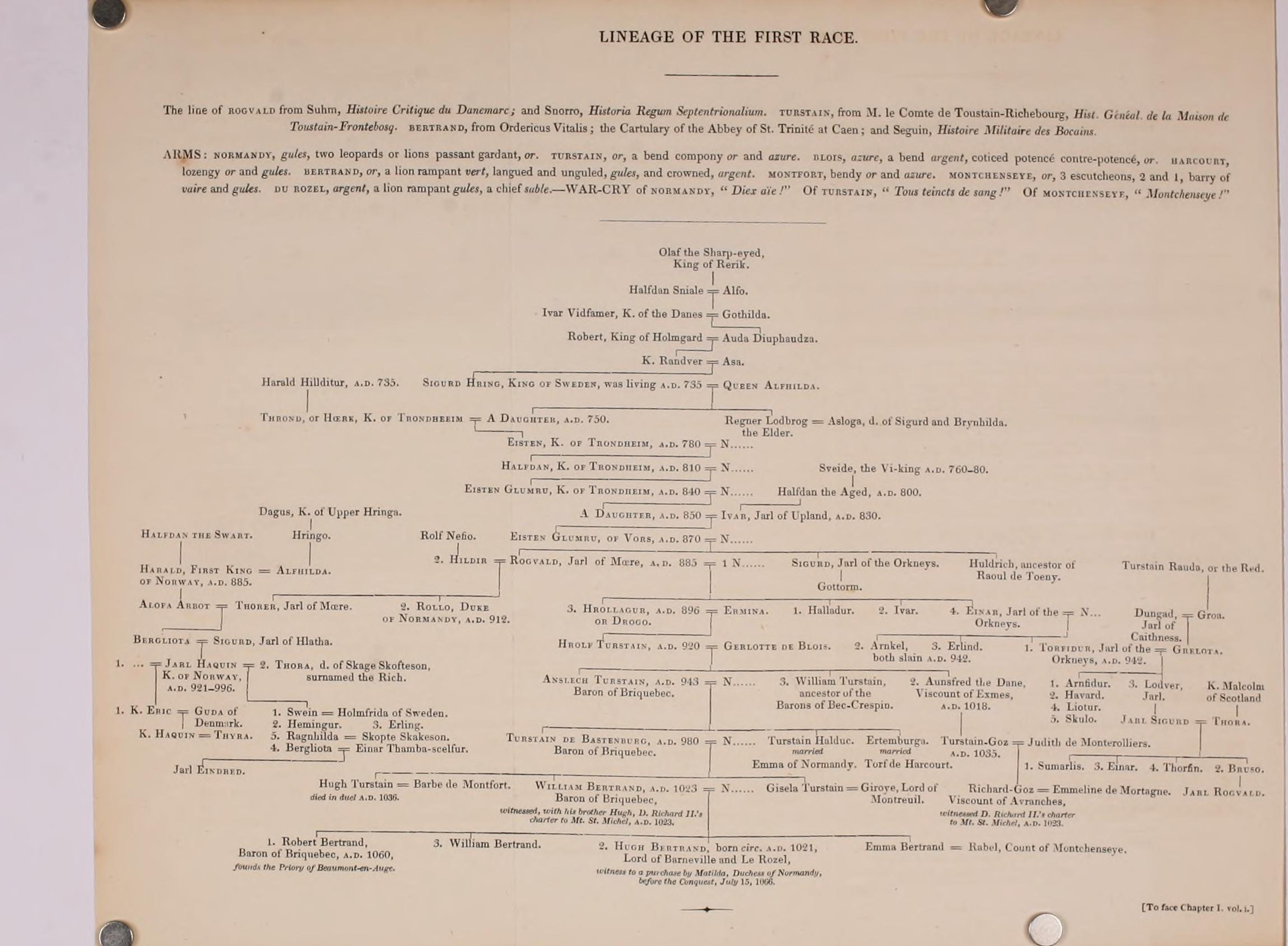
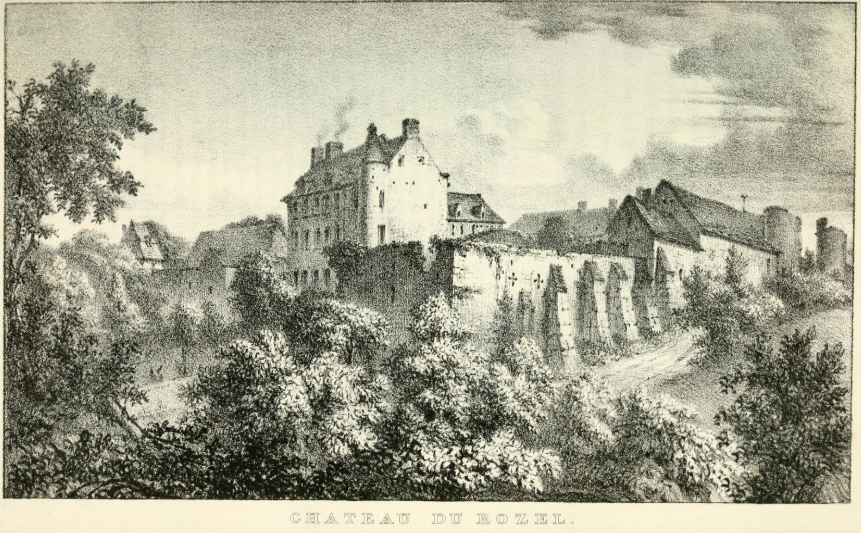
This genealogical arc exemplifies the archetypal Norse-to-Norman-to-English progression, reflecting broader socio-political transformations across medieval Europe. Figures such as Sveide and Halfdan occupy the liminal space between myth and memory, emblematic of oral traditions that preserved tribal valor and cosmological significance. In contrast, historically attested individuals like Anslech Turstain and Hugh Bertrand signal the emergence of feudal documentation and the codification of lineage within Norman aristocracy. This evolution—from mythic chieftains to landed knights—not only mirrors the continent’s transition from kin-based tribal governance to stratified feudal hierarchies, but also underscores the increasing role of land tenure, martial service, and ecclesiastical sanction in legitimizing noble identity. The Russell surname, plausibly derived from the Norman toponym Le Rozel, marks a pivotal shift from functional or descriptive identifiers to hereditary nomenclature, embedding personal legacy within territorial and dynastic continuity.
Analytical Breakdown
The transition from tribal chieftaincy to feudal knighthood mirrors broader European shifts in governance, where kinship networks gave way to stratified hierarchies rooted in land tenure and legal codification. The emergence of the Russell surname, plausibly derived from the Norman toponym Le Rozel, signals a critical juncture in identity formation: the move from role-based or descriptive identifiers (e.g., warrior, chieftain, steward) to fixed hereditary surnames tied to geographic origin. This transformation reflects not only the administrative needs of feudal society but also the symbolic desire to anchor lineage within place, permanence, and prestige. In sum, the Russell genealogy offers a microcosmic view of medieval Europe's evolving frameworks of identity, legitimacy, and memory—where myth and record coalesce to shape enduring narratives of noble descent.
Migration Timeline
- ~580 CE: Sveide the Viking in Norway
- ~620 CE: Halfdan the Old, Norse patriarch
- ~660 CE: Ivar, Jarl of Uppland in Sweden
- ~700 CE: Eistein Glumru, Norse noble
- ~740 CE: Rogvald (Ragnvald), father of Hrollaug
- ~780 CE: Hrollaug, migrates toward Normandy
- ~820 CE: Hrolf Turstain, early Norman knight
- ~860 CE: Anslech Turstain, serves William Longsword
- ~920 CE: Turstain de Bastenbourg, Norman lord
- ~980 CE: William Bertrand, consolidates Norman holdings
- ~1066 CE: Hugh Bertrand Le Rozel arrives in England, progenitor of Russell name