Russells in Ireland
From Seatown to Drynam
The Russell family's presence in Ireland is documented from the 1200s. Though they never held vast estates, they established modest holdings, notably in Seatown, near Malahide in north County Dublin.
🏡Seatown & Drynam House
Seatown Castle was a small fortified structure, likely built to qualify for a £10 government grant in the late 15th century. It sat near the water’s edge, suggesting involvement in cross-channel trade, though records are sparse.
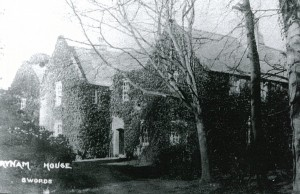
By 1627, the Russells had acquired enough wealth to build Drynam House, a Jacobean-style manor that became their primary residence.
✝️Faith and Rebellion
As Catholic Old English, the Russells remained loyal to their faith even as Protestantism became dominant.
During the 1641 Rebellion, they supported the northern Catholic rebels. This led to their attainder—a legal declaration of treason—and the loss of their lands.
They regained Seatown during the Restoration, and Robert Russell of Drynam served in King James II’s Parliament in 1689, representing the Borough of Swords.
⚔️Williamite Confiscation
Their loyalty to King James II during the Williamite Wars (1689–91) resulted in another forfeiture. Seatown was seized and granted to the Dublin Archbishopric, though the family retained Drynam House and 421 acres.
💍Russell–Cruise Alliance
In 1766, Bridget Russell, sole heir of Robert Russell of Drynam, married Andrew Cruise. Their descendants adopted the double surname Russell Cruise, blending two prominent Catholic families.
Patrick Russell Cruise, born circa 1799, was a notable descendant. The estate remained in family hands until it was sold in the 1920s.
🧬Cultural Legacy
The Russell name in Ireland is associated with Catholic resistance, Anglo-Norman heritage, and modest landed gentry.
Variants of the name include Roussel, Russel, Rowsell, Rozzell, and others.
Though not part of the aristocratic Russell line of Bedford, the Irish Russells maintained a proud identity rooted in faith, trade, and local governance.